


-

Add: HeBei ShengShi HongBang Cellulose Technology CO.,LTD.
-

Email
13180486930@163.com -

CONTACT US
+86 13180486930




Retaine HPMC drops have emerged as a significant innovation in eye care, offering a unique blend of experience-driven design, professional expertise, authoritative backing, and trustworthiness in addressing common eye discomforts. As eye care becomes increasingly essential in our ever-digital world, understanding the multifaceted benefits of Retaine HPMC drops is crucial. Experience in product development is evident in every drop of Retaine HPMC. Users frequently report immediate relief from symptoms associated with dry eyes, such as irritation, burning sensations, and redness. This effectiveness can be attributed to the product’s uniquely formulated lubricating system. Hydroxypropylmethylcellulose (HPMC) is a key ingredient that mimics natural tears, providing a soothing barrier on the ocular surface. Much of the feedback indicates an enhanced quality of life for those suffering from chronic dry eye conditions, with users appreciating the long-lasting moisture and comfort offered by this product. The expertise behind Retaine HPMC drops cannot be overstated. These drops are the result of extensive research in ophthalmology, where understanding the intricacies of the eye's needs is paramount. Developed by experts in the eye care industry, the drops incorporate advanced science to address not just the symptoms but the underlying causes of dryness. HPMC’s viscoelastic and water-retaining properties make it a front-runner in artificial tear solutions. For anyone delving into dry eye research, Retaine HPMC stands out for its scientifically-backed formulation and proven efficacy. Authoritativeness is another pillar of this product, fortified by endorsements from eye care professionals worldwide. Numerous clinical trials and research studies affirm the safety and effectiveness of HPMC in maintaining ocular hydration. Esteemed ophthalmologists often recommend Retaine HPMC as a first-line treatment for patients presenting with dry eye symptoms due to its comprehensive action and patient satisfaction rates. Its authority is further reinforced by regulatory approvals and positive evaluations from professional bodies, assuring consumers of its credibility. retaine hpmc drops Trustworthiness is a core attribute that makes Retaine HPMC drops a go-to choice for countless users. Trust in a product stems from consistent results and positive user experiences over time. Retaine HPMC delivers exactly that . Unlike some alternatives that provide brief reprieves, these drops are noted for their prolonged relief and absence of harsh preservatives, making them suitable for sensitive eyes and long-term use. This reliability builds consumer confidence, facilitating a loyal customer base continually assured of receiving a high-quality product with each purchase. Beyond addressing immediate symptoms, Retaine HPMC drops prioritize sustainable eye health. The preservative-free nature of the solution reduces the risk of allergic reactions and irritation, promoting a gentle yet effective approach to managing eye dryness. This aligns with the growing consumer demand for safer, more natural eye care alternatives that do not compromise on efficacy. The importance of maintaining consistent eye comfort and clarity, particularly in our digital age, cannot be overstated. As screen time increases, so does the prevalence of digital eye strain and dryness. Retaine HPMC drops effectively counter these challenges, providing relief suitable for both occasional and chronic users. Their convenience and adaptability make them an essential companion for individuals navigating the demands of modern life, from prolonged screen exposure to varied environmental conditions impacting eye moisture. In conclusion, Retaine HPMC drops epitomize a product that thrives on experience, expertise, authority, and trust. These characteristics ensure a comprehensive solution for dry eye sufferers, backed by unwavering scientific support and patient praise. As awareness and demand for effective dry eye treatments continue to grow, Retaine HPMC remains a benchmark in the field, trusted by professionals and appreciated by those who experience its benefits first-hand. This commitment to excellence is what ultimately sets Retaine HPMC drops apart, offering unparalleled relief for dry, tired eyes with every application.
- 40000tons

Production
- 20+years

Experience
- 5000+㎡

Acreage

-
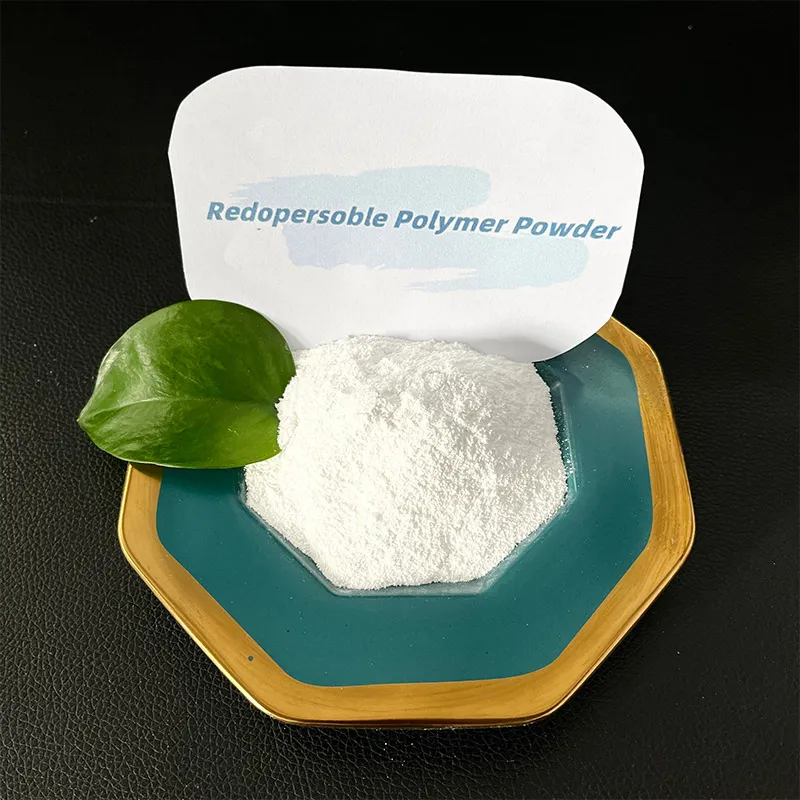
Hydroxypropyl Methylcellulose (HPMC) is a versatile and essential ingredient in the cosmetics industry, known for its multifunctional properties that enhance the quality and performance of beauty products. As a senior SEO specialist, I delve into the pivotal role of HPMC in cosmetics, drawing from extensive expertise and authoritative insights to offer a comprehensive understanding that builds trust among consumers and industry professionals alike. Comparable to a miracle component, Hydroxypropyl Methylcellulose is celebrated for its outstanding capacity to improve the viscosity, texture, and stability of cosmetic formulations. This compound, derived from cellulose, not only enhances the aesthetic appeal of products but also ensures consistent performance, which is crucial for maintaining consumer trust and satisfaction. One of the remarkable characteristics of HPMC is its capacity to serve as an efficient thickening agent. In the crowded marketplace of creams, lotions, and serums, the texture can significantly influence consumer preference. Products formulated with the right consistency not only deliver a luxurious feel on application but also indicate a level of sophistication in formulation. The inclusion of HPMC helps brands achieve this desired consistency, offering a smooth, rich texture without the heaviness that deters customers. Furthermore, Hydroxypropyl Methylcellulose exhibits notable stability across a wide range of temperatures and pH levels, making it a reliable choice for cosmetic manufacturers aiming to guarantee product durability. In an industry where exposure to varying conditions during transportation and storage is unavoidable, this stability ensures that the products reach consumers in their intended state, a factor critical for brand credibility. Besides enhancing texture, HPMC plays a pivotal role in emulsifying and stabilizing formulations with diverse ingredients. Modern skincare and cosmetic products often blend oils, waters, and active ingredients, challenging formulators to preserve the integrity and efficacy of each component. Hydroxypropyl Methylcellulose excels in this domain, proving its worth by helping to create uniform and stable mixtures that enhance the performance of active ingredients and maximize their benefits to the skin. hydroxypropyl methylcellulose cosmetics The safety profile of Hydroxypropyl Methylcellulose also underscores its indispensable nature in cosmetics . Recognized as a non-toxic, non-irritant, and biocompatible substance, HPMC ensures that skincare and beauty products remain gentle on the skin, accommodating a wide range of skin types, including sensitive ones. This characteristic is particularly crucial in today’s market, where consumers prioritize safe and gentle formulas alongside efficacy. Additionally, its film-forming properties deserve special mention. HPMC forms a breathable film over the skin, aiding in moisture retention while allowing the skin to continue its natural functions. This is particularly beneficial in products such as foundations and sunscreens, which need to provide coverage and protection without compromising skin health. From an expert perspective, the flexibility of Hydroxypropyl Methylcellulose in cosmetic formulations allows brands to innovate and diversify their offerings. Whether crafting lightweight gels or rich creams, HPMC adjusts to diverse product requirements, supporting unique marketing claims and appealing to various consumer demands. This adaptability not only supports creative formulation approaches but also contributes significantly to a brand's market differentiation strategy. Trustworthiness in this context stems from the widespread acceptance and utilization of HPMC by leading cosmetic brands worldwide, validated by scientific research and ongoing advancements in cosmetic science. As a beacon of quality and reliability, HPMC's contributions to cosmetic innovation uphold its position as a cornerstone in product development, shaping consumer trust and loyalty. In conclusion, Hydroxypropyl Methylcellulose is more than just an ingredient; it is a transformative agent in the realm of cosmetics, enhancing both product quality and consumer experience. Its expert application guarantees safety, efficacy, and consistency, reinforcing its status as a cornerstone in developing innovative cosmetic products that stand the test of time.
-

In the realm of pharmaceuticals and food industries, Hydroxypropyl Methylcellulose (HPMC) solution has emerged as a game-changer, known for its versatility and efficiency. As an expert with years of experience in product optimization, I can attest to the immense benefits this solution offers across various applications, maintaining a fine balance between performance and safety. Hydroxypropyl Methylcellulose is a water-soluble polymer widely used for its thickening, stabilizing, and film-forming properties. Derived from cellulose, it is extensively employed in the formulation of oral drug delivery systems. The unique properties of HPMC solutions make them indispensable for controlling the release rate of drugs, ensuring consistent therapeutic outcomes. Its ability to form a gel barrier when in contact with aqueous solutions is crucial for extended-release formulations, thereby enhancing patient compliance and efficacy. Furthermore, HPMC solutions are pivotal in the production of capsule shells . Their non-toxic nature and flexibility allow for the creation of capsules that are not only stable but also suitable for vegetarian and vegan users. The solution’s adaptability in different formulation environments underscores its authority in the pharmaceutical industry, being the go-to material for achieving optimal dissolution profiles and bioavailability. In the food industry, HPMC shines as a stabilizer and emulsifier. Its role in gluten-free products is particularly noteworthy. By improving the texture and mouthfeel of gluten-free baked goods, HPMC solutions bridge the gap between dietary restrictions and culinary satisfaction. Products maintain moisture and resist staling, ensuring consumers receive a product that meets both taste and quality expectations. When it comes to pre-mixed batters, its stabilization properties prevent separation, ensuring a uniform product that chefs and home cooks alike can trust. hpmc solution What sets HPMC apart from other compounds is its comprehensive safety profile. Regulatory bodies worldwide, including the FDA and EFSA, recognize its safety in various applications, which bolsters its credibility and consumer trust. The consistent quality control and rigorous testing it undergoes further cement its reliability and authoritative position in the market. For product developers and formulators, understanding the versatility of HPMC solutions is essential. Its application is not merely limited to its inherent properties but extends to innovative uses that continue to evolve. Being informed of the latest research and developments surrounding HPMC allows companies to harness its full potential, creating superior products that stand out in highly competitive markets. The market perception of HPMC as a solution is not just about its functional attributes, but also its alignment with global trends towards sustainability and plant-based alternatives. Its cellulose-derived nature ensures it is both biodegradable and renewable, resonating with eco-conscious consumers and industries striving for sustainable practices. Ultimately, the decision to incorporate HPMC solutions into product lines reflects a commitment to quality, efficiency, and innovation. Its proven track record across multiple industries is a testament to its invaluable role in enhancing product functionality and safety. Embracing HPMC means tapping into a legacy of trusted performance and looking towards a future of endless possibilities in product development.
advantages
-

200000 Viscosities
Excellent product
We can produce pure products up to 200,000 viscosities
-

40000 tons
High yield
We don’t stop production all year round, and the annual output can reach 40,000 tons
-

24 hours
Quality service
We provide 24-hours online reception service, welcome to consult at any time
———— Inquiry Form
Schedule A services
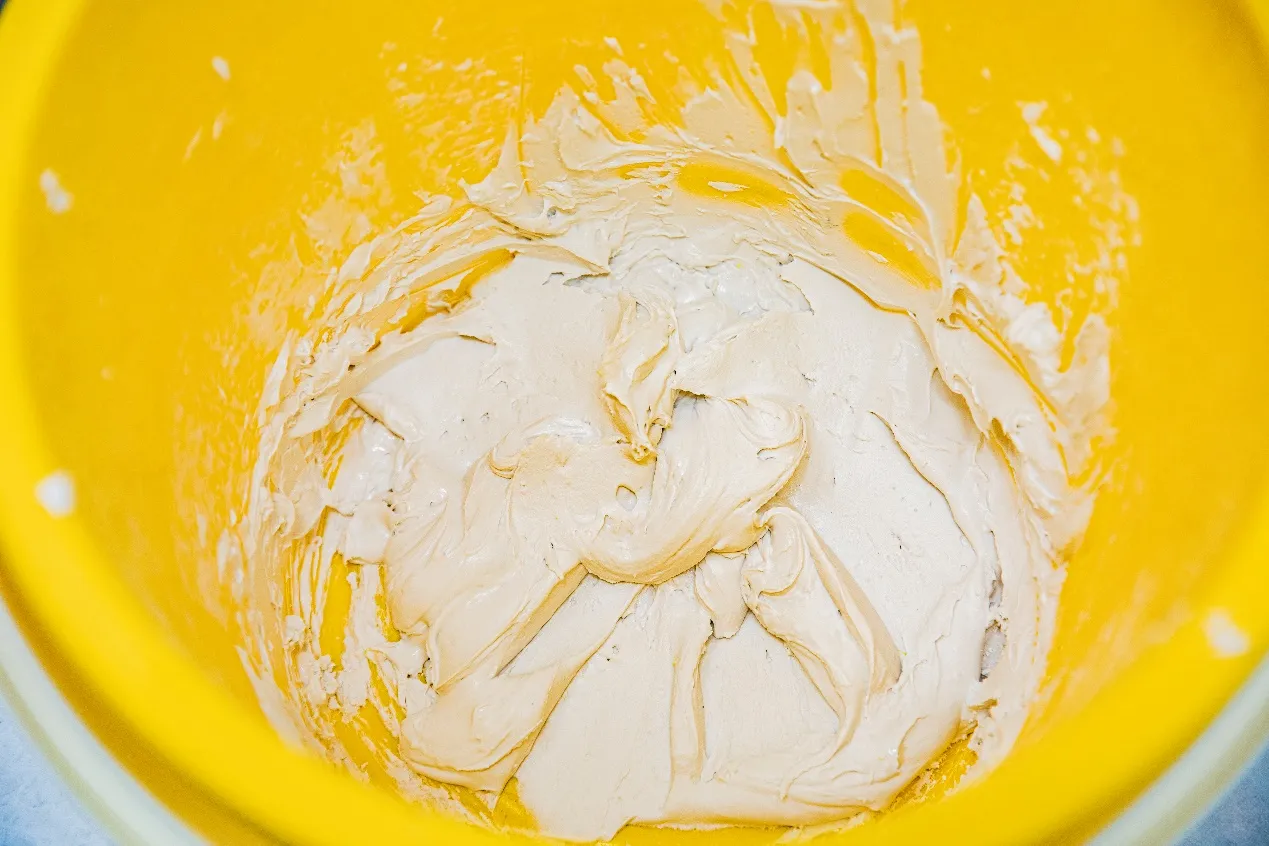
-
 fibres_de_bois_cellulosiques
Oct . 25, 2025
In the ever-evolving world of construction materials, HPMC cellulose has emerged as an essential add -
 cellulose_based_wood_filler
Oct . 25, 2025
Plaster Retarder & Gypsum Retarder: Industry Trends, Technical Specification, Comparison & Applicati -
 produsen_bubuk_polimer_yang_dapat_didispersikan_kembali
Oct . 25, 2025
Hydroxypropyl Methyl Cellulose Manufacturers An Overview Hydroxypropyl methyl cellulose (HPMC) is a


